

Why Literary Destinations Like Greece Matter as Much as the Books Themselves
Some stories become more powerful when experienced in the places that inspired them. Greece turns ideas from beloved texts into real settings, from ancient origins to Troy’s layered history. Insights from experts show how these literary destinations can shape journeys and build shared cultural connections.
- Trace an Idea’s Authentic Origins
- Walk Troy’s Layers of History
- Let Fiction Shape the Journey
- Step Inside the Narrative
- Ground Abstract Ideas in Timeless Places
- Build a Shared Cultural Ecosystem
- Explore Greece Through Beloved Texts
Trace an Idea’s Authentic Origins
Literary destinations matter because readers increasingly value provenance. They want to know where an idea came from, what landscape shaped it, and which details were observed rather than invented. In Greece, the connection between language, mythology, geography, and daily life gives that search unusual depth.
The strongest travel experiences translate provenance without overexplaining it. A narrow street, a coastal view, or a conversation can reveal more than a plaque listing literary references. This is comparable to building long-term trust in any audience relationship. Context must be accurate, but it should never overwhelm the human experience. Greece allows readers to make their own connections between text and place. That freedom matters because it turns travel from literary consumption into personal interpretation, creating memories that feel earned rather than packaged.
Dawood Bukhari, CEO, Digital Web Solutions
Walk Troy’s Layers of History
Readers want to stand where the story happened. Troy, on Türkiye’s Aegean coast near Çanakkale, is the clearest example: people arrive with the Iliad in their heads and leave having walked through layers of a real city, excavated since the nineteenth century. The book gives the place meaning; the place makes the book physical. That exchange is why literary travel keeps growing. It turns reading into something you can visit, and it sends people to sites they would otherwise skip.
OZAN ALATLI, Founder, Turkeyora
Let Fiction Shape the Journey
I think literary destinations matter so much now because a good book has already done the hardest part of travel: it has made you care about a place before you ever arrive. The trip then becomes a way of stepping inside a story rather than ticking off sights, and Greece has that advantage more than almost anywhere, since its islands and myths have been written about for so long that even a first visit can feel like a return. Readers who travel that way seem to want the trip to feel the way the book did, slower and more personal, so they plan around a setting instead of a checklist.
Even in clothing, a place name does some of that work: several of our pieces carry the name Santorini, and a name like that brings a picture with it before anyone reads a word of the description. People aren’t only buying a destination anymore; they’re buying the feeling a story gave them about it.
Alexandra Benaim, Founder / CEO, Kin Amora
Step Inside the Narrative
Readers are not just consuming stories today—they want to be inside them.
A book gives you an idea of what it is like, and a destination gives you sensory memories and the story you tell at dinner for ten years. We have seen this same shift in building a beer spa that people fly in for. The tradition wasn’t about reading about Czech beer spas—it was about soaking in them. Literary tourism works on the exact same principles as Dublin’s Bloomsday, or visiting Austen’s Bath, or Hemingway’s Key West.
The business model is straightforward. A novel will earn the author a few dollars in royalties, but the cost to hotels, guides, meals, and merchants from each visitor’s spend to see Homer’s landscape pulls spend per visitor, turning that reader into a lifetime evangelist. Our rule from running the floor: get a guest physically inside the experience three times, and you have a fan for life — no book club or festival replicates what standing in the actual place does to a reader.
Damien Zouaoui, Co-Founder, Oakwell Beer Spa
Ground Abstract Ideas in Timeless Places
Literary destinations like Greece provide a solid grounding for the abstract concepts that exist within texts, allowing for a reset that is impossible to achieve with either print or digital media. My experience dealing in digital parts of the world and managing complex networks has shown that in the field of leadership, the state is most often dictated by prompt data, changing technologies, and cyclical business processes.
Traveling to places that carry literary and historical references leads to a situation when it becomes necessary to slow down, which does not happen too often in our today’s digital world. I had many occasions when being at the sites of creation of fundamental ideas led to changing the perspective from urgency to the timeless side of the issue here. It is like reading a theory of human behavior and standing right where it was first created.
As I move around while doing business in a number of places such as the UK, the Middle East, or Southeast Asia, I try to find such historical literary points on purpose. For a leader, these experiences create mental architecture for organizing modern complications. While we create ephemeral software products and optimize digital experience, coming to a place of literary importance makes us realize that nothing changes in human communication throughout centuries.
Pratik Singh Raguwanshi, Manager, Digital Experience, CXrove
Build a Shared Cultural Ecosystem
Literary travel can be resilient because it is anchored in interpretation, not a viral image. A destination associated with a book offers routes shaped by the reader, translation, season, or guide. That flexibility helps visitors spread out and gives communities a place in the story.
From an operations standpoint, I would treat literary programming as an ecosystem. Connect transport, booksellers, historians, lodging, and businesses around a theme, while letting participants contribute expertise. The result should not feel like a funnel. It should feel like a place has made knowledge easier to enter, which is why readers can value the destination as much as the book.
Xavier Berkness, President & CTO, PERC Engage
Explore Greece Through Beloved Texts
Literary destinations like Greece are becoming part of the reading experience because people want to connect the stories they love with places they can actually explore. A book creates an emotional connection through characters, history, and setting, but visiting the location adds a physical dimension that words alone cannot provide. Greece is particularly compelling because its mythology, ancient ruins, islands, and cultural traditions connect directly with stories that have influenced literature for centuries.
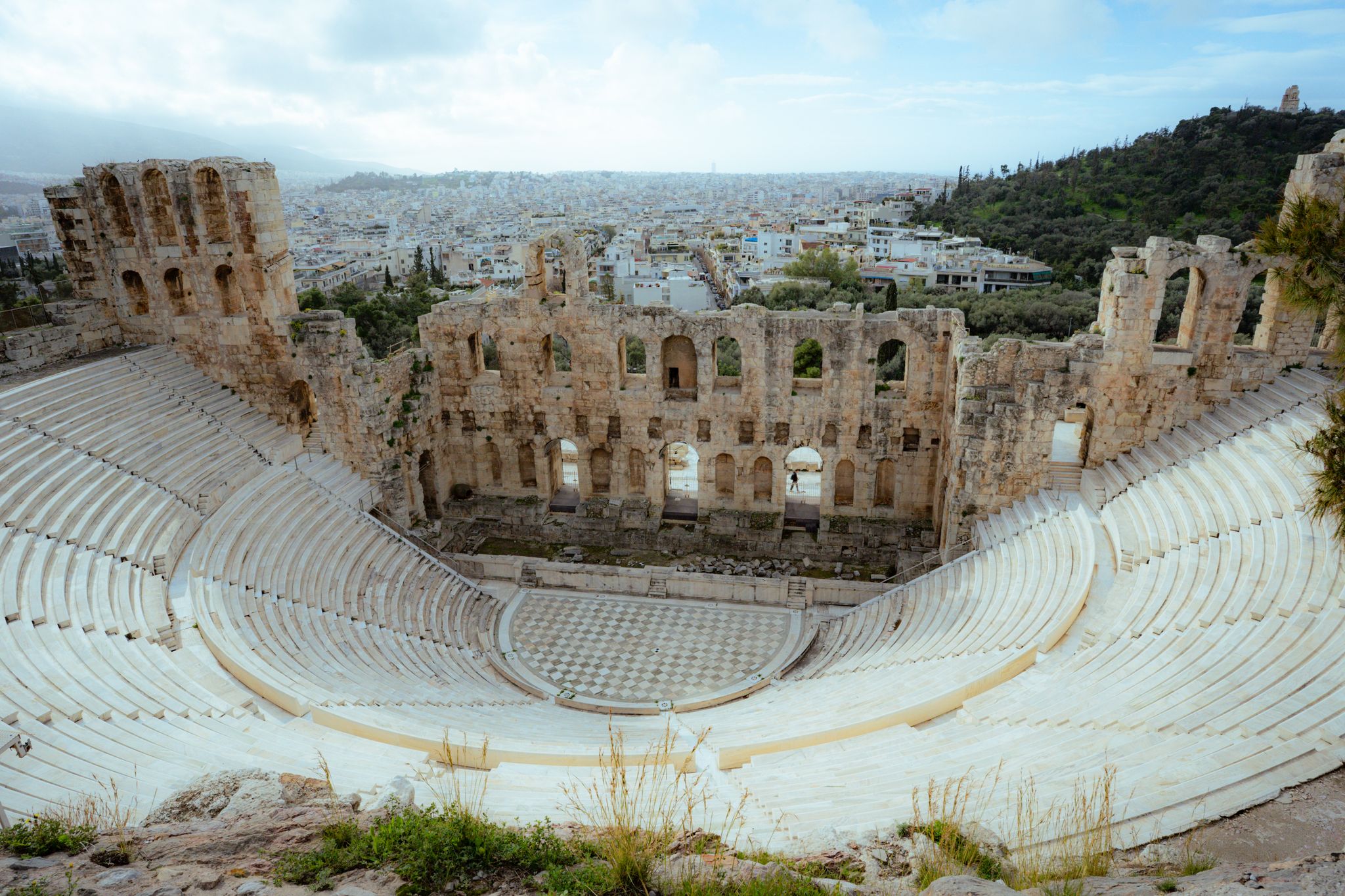
One important factor is the growing desire for experience-driven travel. Readers of Homer’s Odyssey, for example, can explore Greek landscapes while reflecting on the themes of adventure, identity, and homecoming. Similarly, visitors interested in Greek mythology can experience archaeological sites such as Delphi and the Acropolis in Athens. These places offer cultural and historical context that can deepen a reader’s appreciation of the original work.
I would approach literary travel as a combination of emotional connection, cultural discovery, and personal experience. Publishers, tourism businesses, and cultural organizations can build on this interest through author-focused itineraries, literary walking tours, and experiences that connect books with local history. The key is maintaining authenticity rather than turning every famous location into a commercial attraction.
Books give readers a reason to imagine a place. Literary travel gives them an opportunity to build a personal connection with it.
Omer Malik, CEO, ORM Systems
Greece offers something that few destinations can replicate: a living connection between literature, mythology, history, and landscape. From the journeys described by Homer to the ancient places that continue to inspire writers and readers, its literary heritage invites visitors to experience stories beyond the page. Perhaps the greatest value of literary travel is not simply discovering where a story began, but finding a new connection to it along the way.